- (781) 521 - 6395
- info@jclconstructioninc.com
- jclconstruction.hours@gmail.com
- Mon - Fri: 7:00 - 17:00Saturdays by appointment
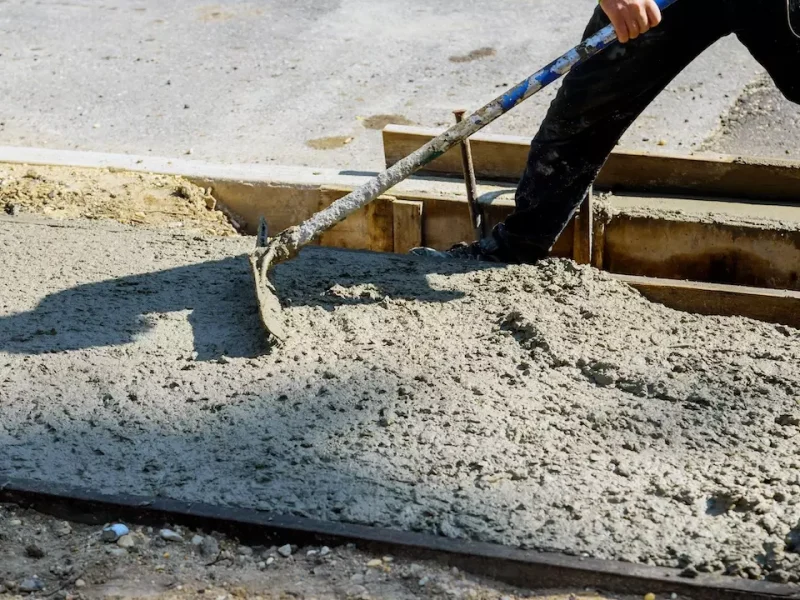
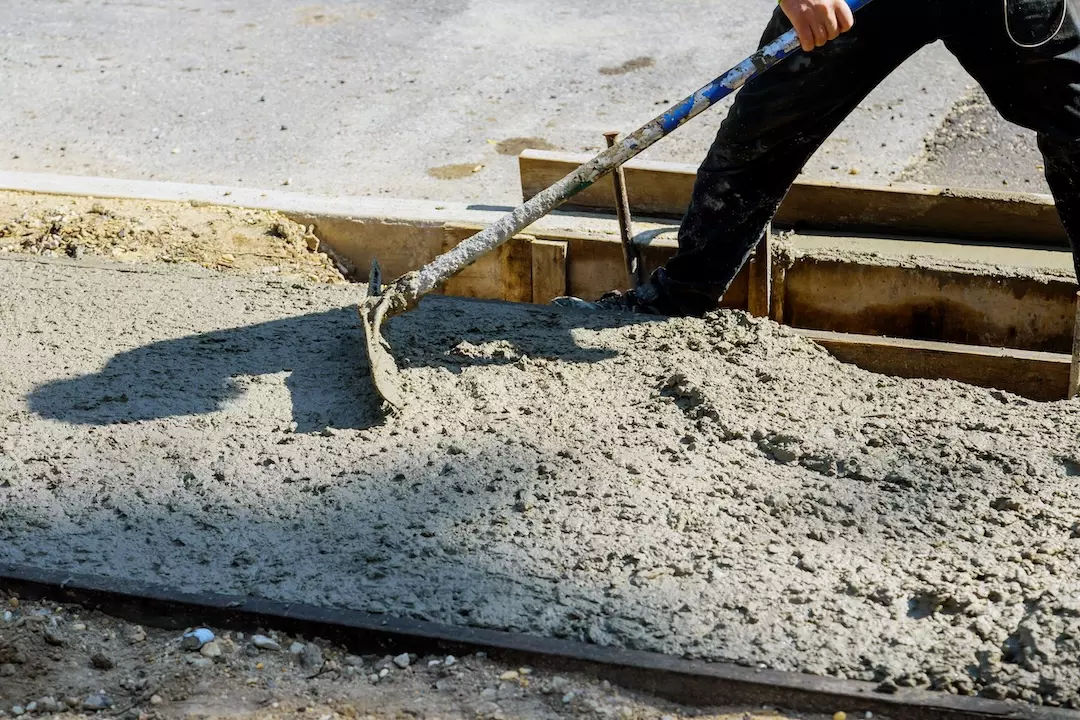
A driveway takes a beating in New England. Freeze-thaw cycles, heavy snow, plow blades, road salt, and years of vehicle weight all take their toll, and most Cambridge and Boston homeowners eventually face the same question: is it worth fixing, or is it time to start over?
The right answer depends on how deep the damage goes. A few cracks may only need a simple repair, while a sinking or crumbling slab may be past saving. At JCL Construction, Inc., we evaluate driveways throughout Greater Boston, and this guide explains how to tell which option makes sense for yours.
Not every flaw is a problem. Knowing what you are looking at helps you decide how urgent it is.
The more of these you see, and the more severe they are, the more likely repair alone will not be enough.
Repair is the most affordable path, and it works well when the slab is still structurally sound. It is a good fit when damage is limited and the driveway is otherwise level and stable.
Repairs do not fix the underlying cause. If the base is failing or water keeps getting under the slab, patches tend to reappear within a season or two.
Resurfacing sits between repair and replacement. A thin bonded overlay is applied over the existing concrete to give it a fresh, uniform surface.
A professional should check the slab first. Putting a new surface over a failing base wastes money and usually fails early.
Full replacement is the right call when the damage is widespread or the base has failed. It costs more upfront but resets the clock and removes the cause of the problems.
Replacement is also a chance to change the layout, widen the driveway, improve drainage, or switch materials if the current design no longer fits how you use it.
A driveway is only as good as what is under it. The steps that matter most are often the ones you never see.
Timing matters in Massachusetts. Concrete needs suitable temperatures to cure properly, so most replacements are scheduled for the warmer months. Ask your contractor about the cure time before you drive on it and when it is safe to use de-icing products on a new slab, since early salt exposure can damage fresh concrete.
If your driveway work touches the apron or curb cut at the street, check with your city about permit requirements before starting.
The best choice depends on what is happening under the surface. Repair can buy time on a sound driveway, resurfacing can refresh a worn one, and replacement is the right move when the base has failed. At JCL Construction, Inc., we inspect first and recommend the option that makes sense for your home and budget across Cambridge, Boston, and Greater Boston.
Contact us today for a free estimate on your driveway project.
📞 (781) 521-6395
📧 info@jclconstructioninc.com
From remodeling and new construction to painting and flooring, we deliver quality workmanship you can trust. Contact our team today for a free estimate and professional guidance for your next project.
Trust JCL Construction, Inc. to make your construction projects a reality. Contact us today and let us be your trusted partner on the road to transforming your space!