- (781) 521 - 6395
- info@jclconstructioninc.com
- jclconstruction.hours@gmail.com
- Mon - Fri: 7:00 - 17:00Saturdays by appointment
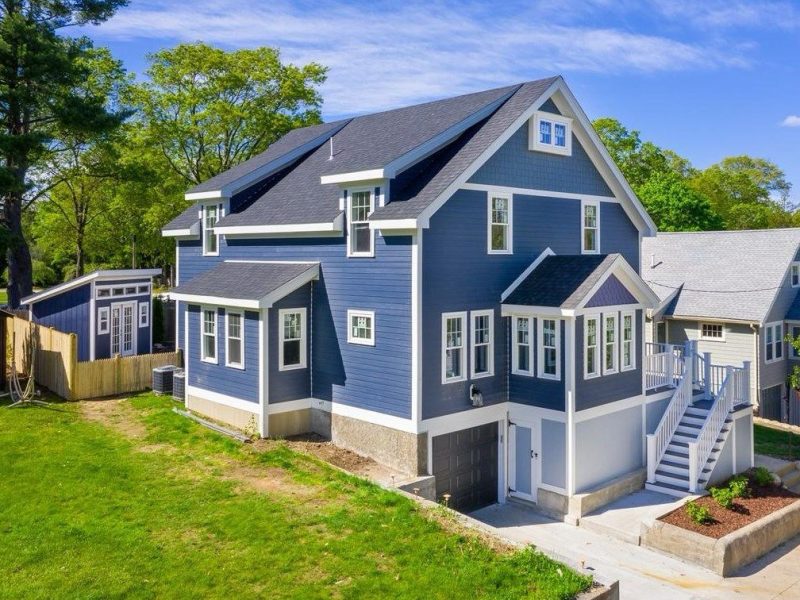
Most homeowners judge a paint job by the color and the finish. Painters judge it by what happened before the first coat went on. In our experience, a paint job that peels, bubbles, or cracks within a couple of years almost never failed because of the paint itself. It failed because of the surface underneath.
For homes in Cambridge and Boston, preparation matters even more. Older plaster walls, many layers of past paint, and harsh New England weather all put extra demands on the surface. At JCL Construction, Inc., we spend more time preparing than painting on most projects, and here is why that investment pays off.
Paint is a thin film that depends entirely on adhesion. It has to bond to the surface below it, and anything that interferes with that bond becomes a weak point. Dust, grease, loose paint, moisture, and glossy old finishes all prevent paint from gripping properly.
Even the best paint cannot make up for a poor bond. A premium product applied over a dirty or damaged surface will fail sooner than an average product applied over a well-prepared one.
Every surface is different, but a thorough prep process usually follows the same sequence.
Walls and trim collect dust, cooking grease, soap residue, and smoke film. In kitchens and bathrooms, this buildup is often invisible but blocks adhesion. Surfaces are washed with a suitable cleaner and allowed to dry fully before any other work begins.
Loose and flaking paint is scraped away until only firmly attached paint remains. Edges are then sanded so the old paint blends smoothly into the bare area. Glossy surfaces are lightly sanded to dull the sheen, which gives new paint something to grip.
Holes, cracks, dents, and damaged trim are filled and sanded flush. Deeper damage may need patching compound applied in layers, and rotted wood on exteriors should be repaired or replaced rather than painted over.
Gaps along trim, windows, and baseboards are sealed with flexible, paintable caulk. This gives a clean, finished look indoors and keeps moisture out on exteriors.
Primer seals the surface, blocks stains, and helps the finish coat bond and cover evenly. Bare wood, patched areas, stained spots, and dramatic color changes all benefit from the right primer. Skipping it is one of the most common shortcuts, and one of the most costly.
Many homes in the area were built long before modern paint and building standards, which creates a few challenges that newer homes rarely face.
If a home has these conditions, a quick coat of paint will only hide the problem for a short time.
Exterior surfaces face freeze-thaw cycles, rain, snow, wind, and strong sun, so prep has to be more thorough.
Rushing exterior prep in a short weather window is one of the most common reasons exterior paint fails early in Massachusetts.
If paint starts failing soon after a project, these are the usual signs.
When hiring a painter, ask what the preparation process includes. A good contractor can explain each step clearly, and a vague answer is a red flag.
Great paint starts long before the brush touches the wall. Careful cleaning, scraping, sanding, repairing, caulking, and priming are what make the difference between a finish that looks good for a year and one that holds up for a decade. At JCL Construction, Inc., we take preparation seriously on every interior and exterior painting project across Cambridge, Boston, and Greater Boston.
Contact us today for a free estimate on your painting project.
📞 (781) 521-6395
📧 info@jclconstructioninc.com

From remodeling and new construction to painting and flooring, we deliver quality workmanship you can trust. Contact our team today for a free estimate and professional guidance for your next project.
Trust JCL Construction, Inc. to make your construction projects a reality. Contact us today and let us be your trusted partner on the road to transforming your space!