- (781) 521 - 6395
- info@jclconstructioninc.com
- jclconstruction.hours@gmail.com
- Mon - Fri: 7:00 - 17:00Saturdays by appointment
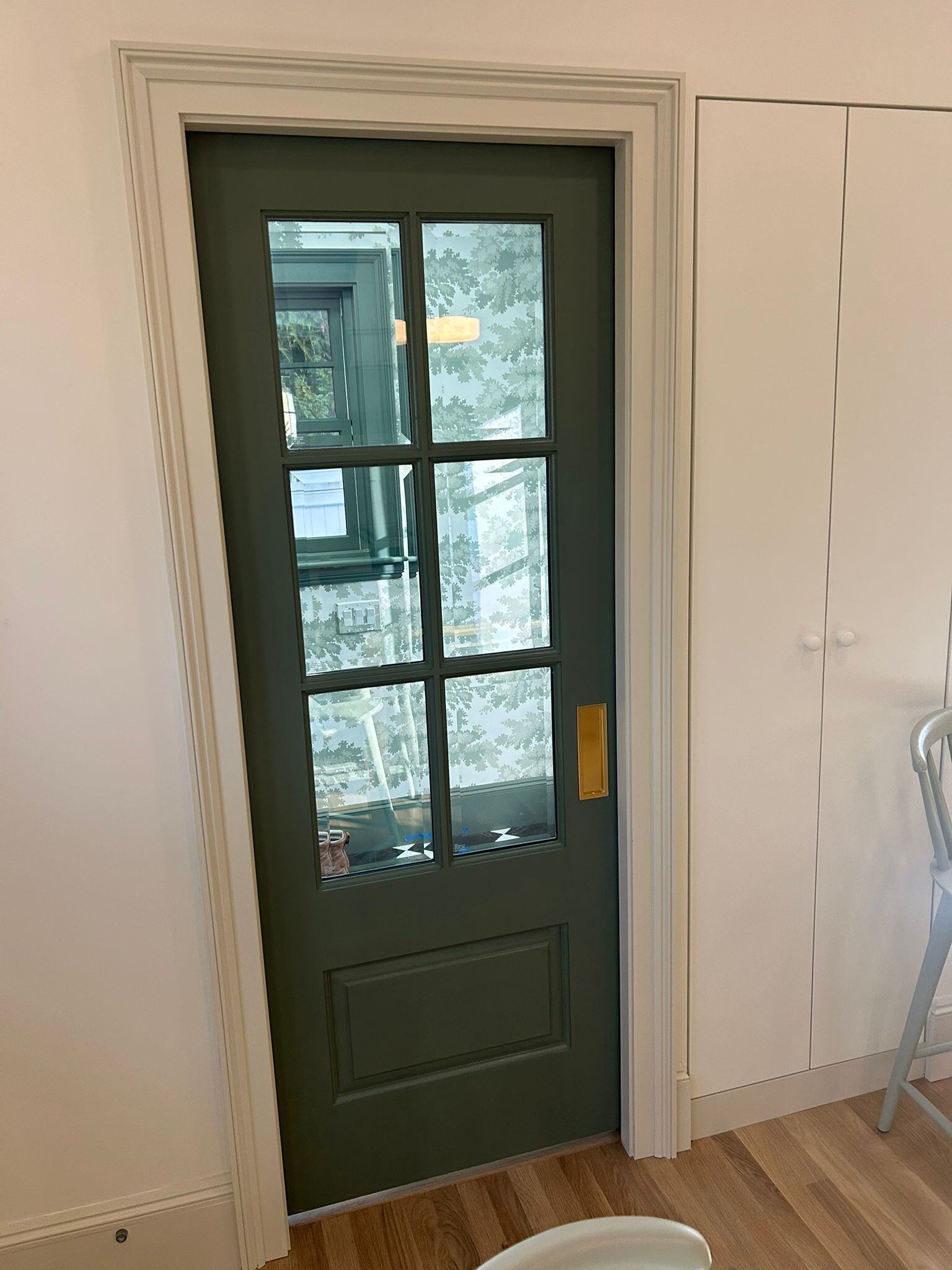
One of the most common mistakes homeowners make before a painting project — and one of the easiest to avoid — is using the wrong type of paint for the surface being painted. Interior paint on an exterior surface. Exterior paint in a bedroom. Leftover porch paint on a kitchen wall. These substitutions seem harmless until the paint begins failing early, peeling, cracking, or off-gassing chemicals that do not belong inside a living space.
Interior and exterior paints are engineered for fundamentally different environments and performance requirements. Understanding the difference before your next painting project in Cambridge or Boston saves money, protects your home, and ensures the finished result looks and performs as intended. At JCL Construction, Inc., we handle interior and exterior painting projects throughout the Greater Boston area — and getting the right product on the right surface is where every project starts.
Both interior and exterior paints start with the same basic components — pigment, binder, solvent, and additives — but the formulation of each component is optimized for a specific environment. The result is two very different products that look similar in the can but behave very differently once applied and cured.
Using the wrong product does not just affect appearance. It affects adhesion, durability, safety, and how long the finish lasts before it needs to be redone. In a region like Greater Boston — where exterior surfaces face brutal winter freeze-thaw cycles and interior spaces are occupied year-round — the performance gap between the right paint and the wrong paint is significant.
Exterior paint is formulated to withstand everything the outdoors throws at it — UV radiation, rain, temperature swings, humidity, mildew, and physical abrasion from wind-driven debris. To handle these demands, exterior paint contains:
Flexible Binders
The binder in exterior paint is engineered to remain flexible as temperatures swing between Massachusetts winters and summers. A surface that contracts in freezing temperatures and expands on hot summer days needs a paint film that moves with it rather than cracking and flaking. Rigid paint films — like those in interior formulations — are not designed for this kind of thermal cycling and will fail much faster when used outdoors.
UV-Resistant Pigments
Exterior paint contains pigments and UV-stabilizing additives that resist the fading and chalking caused by direct sun exposure. Interior paint pigments are not UV-stabilized to the same degree — they will fade noticeably on an exterior surface within one to two seasons of sun exposure.
Mildewcides and Fungicides
Exterior paint formulations include additives that inhibit mold and mildew growth on the paint surface — a critical feature for New England homes where exterior surfaces stay damp for extended periods during spring and fall. These biocide additives are not needed or appropriate in interior applications.
Higher VOC Levels
The additives and binders that make exterior paint durable outdoors also make it less appropriate for use inside occupied spaces. Exterior paint typically contains higher levels of volatile organic compounds — VOCs — than interior formulations, and some of the additives used for mildew resistance are not safe for enclosed living spaces. Using exterior paint indoors can create persistent odor and air quality issues, particularly in rooms with limited ventilation.
Interior paint is optimized for the very different demands of living spaces — where the primary performance requirements are appearance, washability, coverage, and low emissions rather than weather resistance.
Rigid, Scrubbable Finish
Interior paint binders are formulated for hardness and abrasion resistance rather than flexibility. A rigid finish holds up to cleaning, scrubbing, and the everyday contact that interior walls receive without scuffing or wearing through. This same rigidity would cause the paint to crack under outdoor thermal cycling — which is exactly why interior paint should never be used on exterior surfaces.
Low VOC Formulations
Modern interior paint is increasingly formulated with low or zero VOC content to maintain indoor air quality in occupied spaces. This is particularly important in the tightly insulated, energy-efficient homes being built and renovated throughout Massachusetts, where reduced air infiltration makes indoor air quality a more significant concern than it was in older, draftier construction.
Color Retention in Artificial Light
Interior paint is designed to look correct under artificial lighting — the incandescent, LED, and fluorescent lighting conditions of a typical living space. Exterior paint is optimized for daylight rendering and may look noticeably different under interior lighting conditions.
Wider Range of Sheens
Interior paint is available across the full spectrum of sheen levels — flat, eggshell, satin, semi-gloss, and high-gloss — each optimized for specific room types and surface conditions. Exterior paint is typically available in fewer sheen options because the primary performance variable outdoors is durability rather than the light-reflectivity considerations that drive interior sheen selection.
One category of paint straddles the line between interior and exterior: porch and floor paint, sometimes called deck paint or floor enamel. These products are formulated for surfaces that receive foot traffic and direct weather exposure — covered porches, exterior steps, garage floors, and patio surfaces. They are more durable than standard interior paint and more abrasion-resistant than standard exterior wall paint.
In older Cambridge and Boston homes with painted porch floors, wood front steps, or painted basement floors, porch and floor paint is the correct product — not standard exterior wall paint and not interior paint, both of which will wear through quickly under foot traffic.
Using leftover exterior paint on interior trim
After an exterior painting project, leftover paint often ends up being used on interior trim or doors to avoid waste. The VOC content and biocide additives in exterior paint make it inappropriate for interior use — particularly in bedrooms, nurseries, or other living spaces where air quality matters most.
Using interior paint on a covered porch ceiling
A covered porch ceiling is technically protected from direct rain but still exposed to humidity, temperature swings, and indirect moisture. Interior paint used in this application will fail within one to two seasons — a porch ceiling needs either exterior paint or a dedicated porch ceiling product.
Applying interior paint over existing exterior paint without proper priming
When repainting an exterior surface that was previously painted with exterior paint, applying interior paint over it — even with a primer — will not correct the fundamental formulation mismatch. The new finish will not adhere or perform correctly regardless of surface preparation.
Skipping primer when switching paint types
Any time a surface is transitioning from one paint type to another — or from bare substrate to finish coat — a proper primer appropriate to the surface and the finish coat is essential. Primer creates the bond between the substrate and the finish coat and ensures the finish coat performs as its formulation intends.
For most residential painting projects in the Greater Boston area, the decision tree is straightforward:
When in doubt, the safest approach is to consult with a professional painting contractor who can assess the specific surface conditions and recommend the right product for the application — rather than defaulting to whatever paint is available.
Getting the right paint on the right surface is the foundation of a painting project that looks great and lasts. At JCL Construction, Inc., our painting crews work with professional-grade interior and exterior products matched to the specific conditions of each project — from the historic brownstones and triple-deckers of Cambridge and Boston to newer construction throughout the Greater Boston area.
Whether you are refreshing interior walls, repainting exterior siding and trim, or tackling a full home renovation that includes both interior and exterior painting, our team brings the product knowledge and application expertise to deliver results that hold up.
Contact us today for a free estimate on your interior or exterior painting project.
📞 (781) 521-6395
📧 info@jclconstructioninc.com
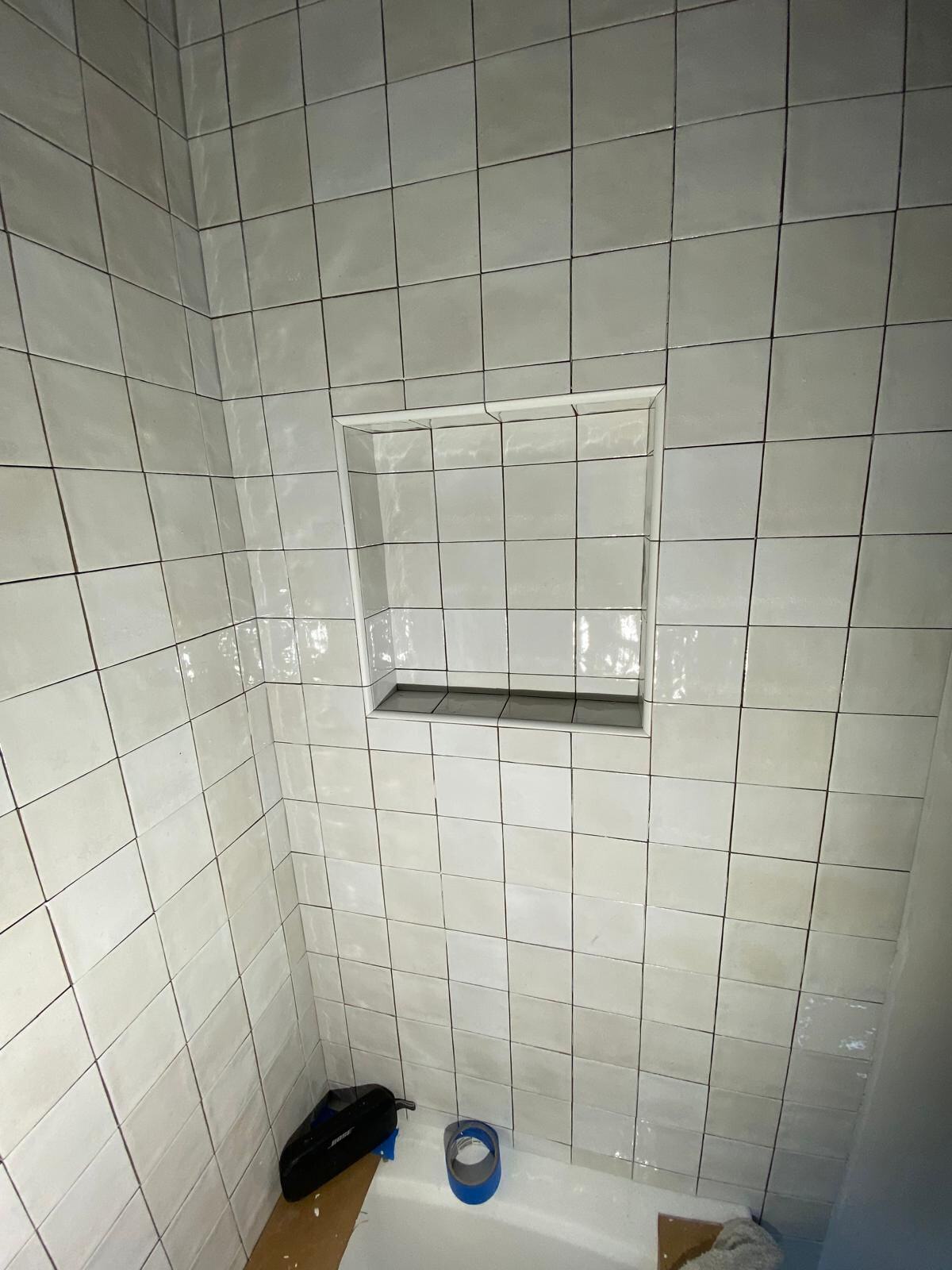
From remodeling and new construction to painting and flooring, we deliver quality workmanship you can trust. Contact our team today for a free estimate and professional guidance for your next project.
Trust JCL Construction, Inc. to make your construction projects a reality. Contact us today and let us be your trusted partner on the road to transforming your space!

