- (781) 521 - 6395
- info@jclconstructioninc.com
- jclconstruction.hours@gmail.com
- Mon - Fri: 7:00 - 17:00Saturdays by appointment
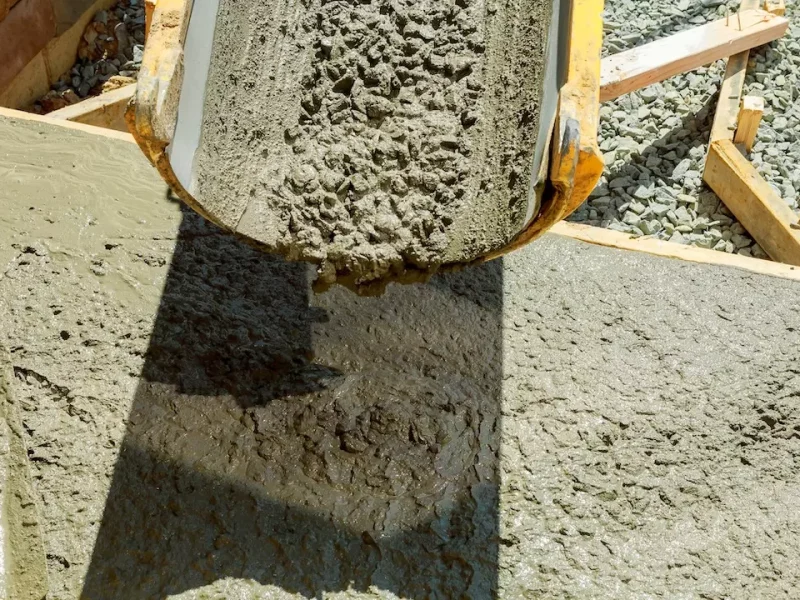
The foundation is the most critical structural component of any home, and in Cambridge and Boston, where much of the housing stock dates back decades or even over a century, foundation issues are more common than many homeowners realize. A crack in the foundation does not always mean the structure is failing — but it should never be ignored.
Understanding what causes foundation cracks, how to identify the ones that warrant immediate attention, and what the repair options look like is essential for any Massachusetts homeowner. At JCL Construction, Inc., we have worked on foundation and concrete repair projects throughout Cambridge, Boston, and the Greater Boston area, and we know that catching these issues early is always less costly than addressing them after the damage has progressed.
Cambridge and Boston are home to a significant number of older properties built on foundations that were never designed to meet today’s standards. Several factors make foundation cracking particularly common in the region.
Freeze-Thaw Cycles
New England winters subject the ground surrounding a foundation to repeated freeze-thaw cycles throughout the season. As moisture in the soil freezes, it expands — exerting lateral pressure against foundation walls. When it thaws, that pressure shifts. Over many winters, this repeated movement works on the concrete or masonry, gradually widening existing hairline cracks or creating new ones.
Hydrostatic Pressure
When soil around a foundation becomes saturated with water — during spring thaw, heavy rain, or poor drainage conditions — it exerts significant outward and downward pressure on the foundation walls. This hydrostatic pressure is one of the leading causes of horizontal cracking and bowing in basement walls throughout the Boston area.
Soil Settlement and Shrinkage
Over time, the soil beneath and around a foundation can settle unevenly or shrink during dry periods. As the ground shifts, the foundation moves with it — and concrete, which handles compression well but is vulnerable to tension, cracks when different sections move at different rates.
Age of Materials
Many Cambridge and Boston foundations were built with materials and techniques that have simply aged beyond their original performance window. Older poured concrete, brick, and stone foundations were not built with modern waterproofing or reinforcement standards, making them more susceptible to cracking and moisture intrusion as decades pass.
Not all foundation cracks carry the same level of urgency. Understanding the difference helps homeowners prioritize the right response.
Hairline Cracks
Thin, hairline cracks in poured concrete foundations are often the result of normal concrete curing and shrinkage. On their own, they are typically not structural concerns, but they can allow moisture to seep into the basement over time and should be monitored and sealed.
Vertical Cracks
Vertical cracks running straight up and down a foundation wall are common and often result from normal concrete curing or minor settlement. They are generally less structurally concerning than diagonal or horizontal cracks, but any vertical crack wider than a quarter inch or showing signs of water intrusion should be evaluated and repaired.
Diagonal Cracks
Diagonal cracks — running at an angle across the foundation wall — typically indicate differential settlement, meaning one section of the foundation has moved more than an adjacent section. The wider and more actively growing a diagonal crack is, the more urgency the repair carries.
Horizontal Cracks
Horizontal cracks running across the middle of a basement wall are among the most serious foundation issues a homeowner can encounter. They are typically caused by sustained lateral soil or hydrostatic pressure and indicate that the wall may be bowing inward under load. Horizontal cracks require professional evaluation and repair without delay — this is not a monitor-and-wait situation.
Stair-Step Cracks
Common in brick, block, and stone foundations, stair-step cracks follow the mortar joints in a diagonal stair pattern. They are caused by differential settlement and, depending on width and progression, can range from cosmetic to structurally significant.
Foundation problems rarely present as a crack alone. Homeowners in Cambridge and Boston should also watch for:
Any combination of these signs alongside visible cracking warrants a professional evaluation before the issue progresses further.
The right repair approach depends on the type of crack, its cause, and whether water intrusion is involved.
Epoxy and Polyurethane Injection
For non-structural cracks in poured concrete walls — vertical hairline cracks and minor shrinkage cracks — epoxy or polyurethane injection is an effective and long-lasting repair method. The material is injected under pressure to fill the crack from face to face, restoring the wall’s integrity and sealing against water infiltration.
Carbon Fiber Straps and Wall Anchors
For walls showing early to moderate bowing or inward movement due to lateral soil pressure, carbon fiber reinforcement straps bonded to the wall surface can stabilize the structure and prevent further movement. Wall anchors — driven into the soil outside and connected to a plate on the interior wall — are another option for stabilization and, in some cases, gradual correction.
Exterior Waterproofing and Drainage
When hydrostatic pressure is identified as the underlying cause, repairing the crack alone does not address the source of the problem. Exterior waterproofing — excavating around the foundation, applying a waterproof membrane, and installing drainage board and a perimeter drain — addresses the issue at its root. Interior drainage systems paired with a sump pump can also manage water that does reach the basement, preventing it from damaging the structure.
Full Foundation Repair or Underpinning
In cases of significant structural compromise — severe settlement, major horizontal cracking, or load-bearing failure — more extensive intervention may be required. This can include underpinning, which extends the foundation’s bearing depth to more stable soil, or partial foundation replacement in sections that have deteriorated beyond surface repair.
The general rule is straightforward: any crack wider than a hairline, any crack showing active water intrusion, any horizontal crack, and any crack that appears to be growing over time should be evaluated by a licensed contractor before repair is attempted. DIY patching products can mask a problem without addressing its cause, which often allows the underlying condition to worsen beneath a surface that looks repaired.
At JCL Construction, Inc., our team assesses foundation cracks in the context of the whole structure — evaluating not just the crack itself but the drainage conditions, soil behavior, and structural loading that contributed to it — and recommends a repair approach matched to the actual cause.
Foundation issues in Cambridge and Boston homes are common, but they are also manageable when caught and addressed early. The longer a crack is left unaddressed, the more expensive and complex the repair becomes.
Contact JCL Construction, Inc. today for a free estimate and foundation evaluation.
📞 (781) 521-6395
📧 info@jclconstructioninc.com

From remodeling and new construction to painting and flooring, we deliver quality workmanship you can trust. Contact our team today for a free estimate and professional guidance for your next project.
Trust JCL Construction, Inc. to make your construction projects a reality. Contact us today and let us be your trusted partner on the road to transforming your space!

